In short
- Brown bears, wolves, and lynx inhabit the park's dense forests.
- Wildlife actively avoids popular hiking paths like Viru Bog.
- Dogs must stay on a leash at all times to protect animals.
In this article
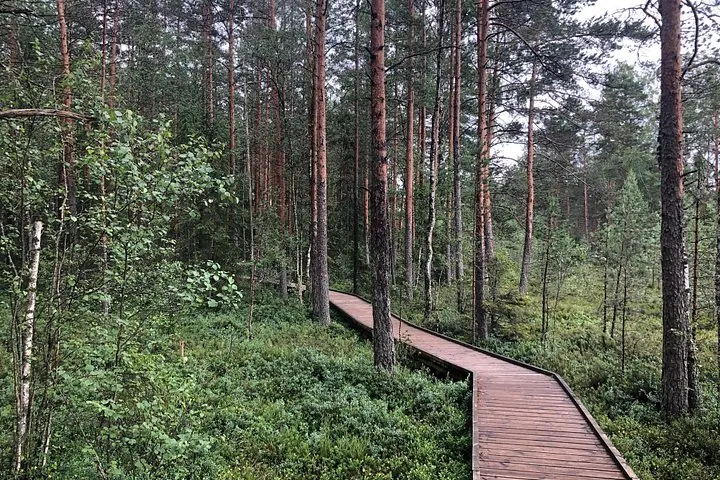
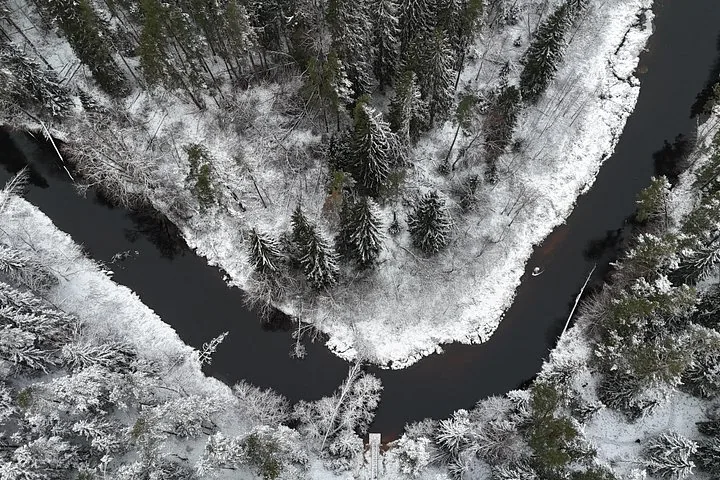
Lahemaa National Park covers 747 square kilometers. Forests make up roughly 73% of the land area. This equals about 34,400 hectares of dense woodland. This vast environment provides a natural habitat for a variety of wild animals. While large predators are present, they are shy and stay deep in the woods.
Are there wild bears in Lahemaa National Park?
Yes, Estonia has a healthy brown bear population, and some live within Lahemaa National Park.
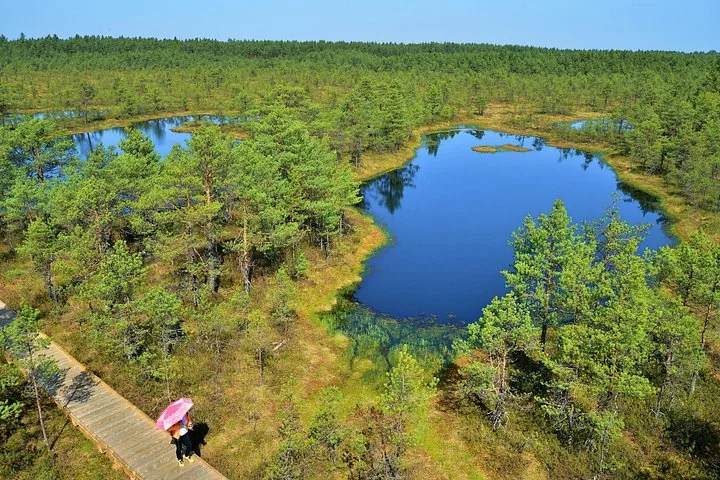
The park contains thousands of hectares of unbroken pine forest. These woods give bears plenty of space to roam far from humans. Hikers almost never see bears. They avoid popular routes like the Majakivi-Pikanõmme trail and Viru Bog.
What other wildlife lives in the park?
The park is home to moose, wild boars, wolves, and lynx.
Like the brown bear, wolves and lynx are elusive. They actively avoid human contact. You are much more likely to spot signs of wildlife than the animals themselves. You can see actual beaver dams built along the Altja River near the Oandu Old-growth Forest.
What should you do if you encounter a bear?
Keep your distance, stay calm, and back away slowly without running.
Spotting a brown bear is highly unlikely. Still, basic wildlife safety rules apply. Do not approach or feed any wild animals. Make a normal amount of noise while walking to avoid surprising wildlife. Stay out of restricted nature reserves like Esku and Remnispea.
Are dogs allowed in Lahemaa National Park?
Yes, but you must keep your dog on a leash at all times.
This rule is strictly enforced to protect local wildlife. Loose dogs can chase wild boars or provoke larger animals. The 120 kilometers of official RMK trails are great for dog walking. Just clean up after them and stick to the marked paths.
How can I safely explore the deep forests?
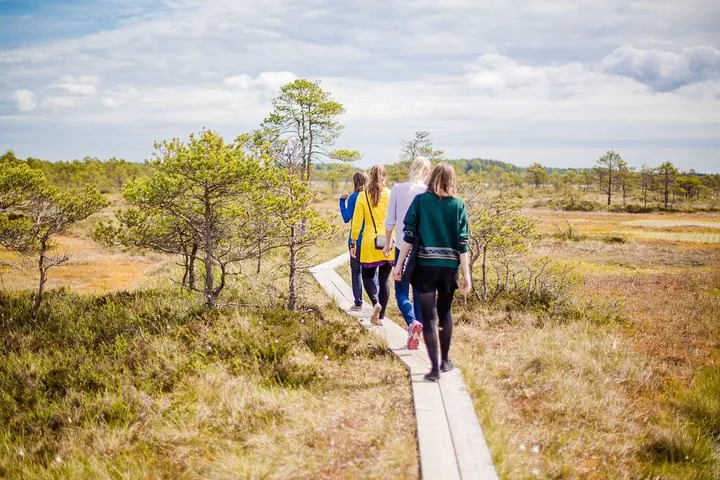
Stick to the official RMK hiking trails and use offline maps.
Cell service is spotty in the dense forests. Download offline maps via Google Maps or the RMK app before you arrive. If you want to learn more about the ecosystem, consider booking a guided day trip. Local guides know the terrain and can point out animal tracks.
What should you pack for a forest hike?
Bring waterproof boots, layered clothing, and insect repellent.
Mosquito and tick repellent is essential during the summer months. Wear sturdy, waterproof hiking boots for uneven forest paths. Binoculars are highly recommended for spotting birds and distant wildlife without disturbing them.
Questions travellers ask
Can I hike anywhere in the park?
No. You must avoid restricted nature reserves like Esku and Remnispea unless you have a special permit. Always stick to the 120 kilometers of official RMK trails.
Are there guided wildlife tours?
Many companies offer guided day trips from Tallinn. While not exclusively for wildlife spotting, guides can help identify animal tracks and beaver dams in the forests.
Do I need bear spray?
No. Encounters with brown bears in Estonia are exceptionally rare. Bears actively avoid human trails, so standard bear spray is not necessary for hiking here.